
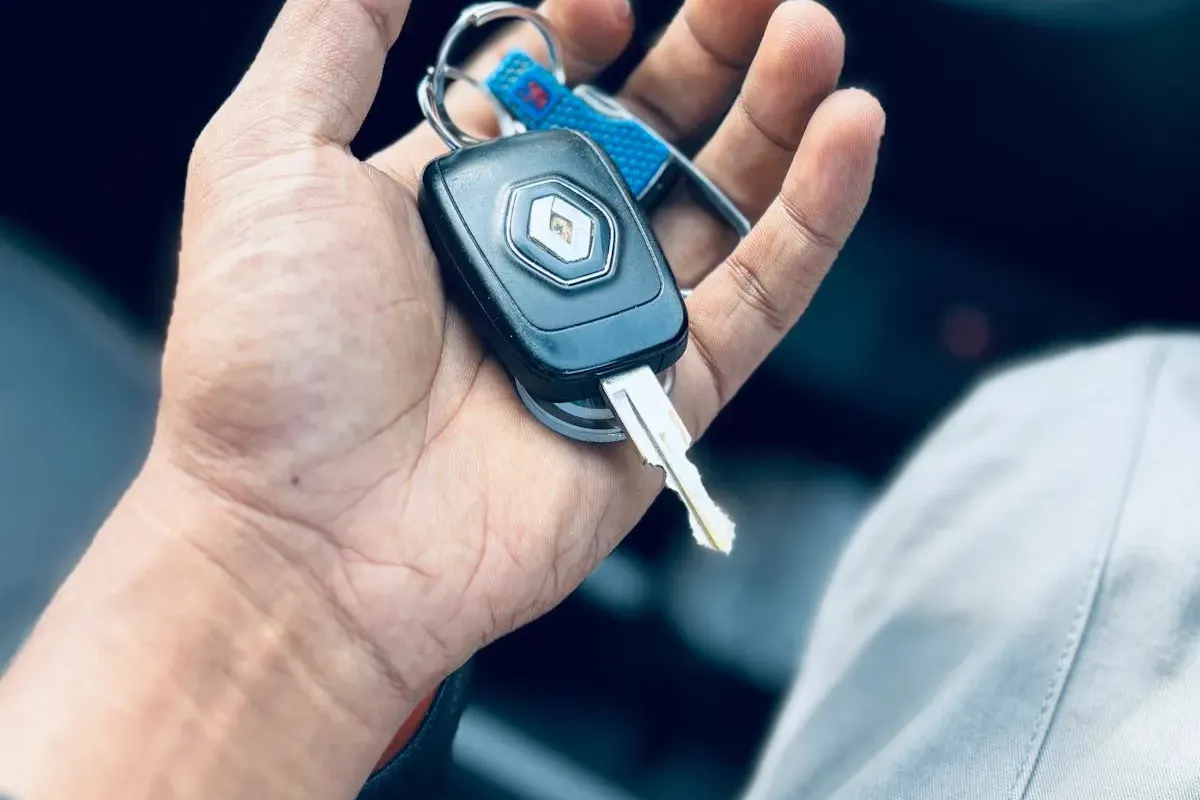
This is one of the biggest fears people have about debt review: "Will I lose my car?" The short answer is no — debt review is specifically designed to protect your assets, including your vehicle. Here is exactly how it works.
The short answer: No. Under debt review, your car is legally protected from repossession by a court order. Creditors cannot take your vehicle as long as you are making the agreed payments under the debt review plan.
How Does Debt Review Protect My Car?
When you enter debt review, your debt counsellor sends a formal notification (Form 16) to all your creditors, including your vehicle finance provider. This triggers legal protection under Section 86(10) of the National Credit Act.
Once notified, creditors are required to halt any legal proceedings, including repossession. When the court grants your consent order, the protection becomes even stronger — your restructured repayment plan is now a legally binding court order.
Your vehicle finance is included in the restructured plan. The interest rate is negotiated down, the repayment term may be extended, and the monthly instalment is reduced to fit within your affordable budget.
When IS Your Car at Risk?
Your car may be at risk if you:
- Default on payments without debt review: If you miss vehicle finance payments and are NOT under debt review, the bank can send a Section 129 notice and then apply to court to repossess your vehicle.
- Wait too long to apply: If the creditor has already obtained a court order for repossession before you apply for debt review, the protection may come too late.
- Stop making debt review payments: If you fail to make the agreed payments under your debt review plan, the protection can be withdrawn and creditors may resume legal action.
Debt Review vs No Debt Review — Your Car
| Scenario | Under Debt Review | Without Debt Review |
|---|---|---|
| Behind on payments | Protected — payments restructured | At risk — Section 129 notice, then repossession |
| Creditor threatens legal action | Cannot proceed — legal protection in place | Can obtain court judgment and repossess |
| Interest rate | Reduced through negotiation | Remains the same or increases with penalties |
| Monthly payment | Reduced to affordable amount | Full contractual amount plus arrears |
What About a Section 129 Notice?
A Section 129 notice is a legal letter your creditor must send before they can take action against you. If you have received one, it does not mean your car has been repossessed — it means the process is starting.
The Section 129 notice actually gives you an opportunity: it specifically advises you to seek help from a debt counsellor. If you act quickly and apply for debt review, your car can still be protected.
Read more about Section 129 notices and what to do.
Real Client Scenario
Situation: Thabo was 3 months behind on his vehicle finance of R5,200/month. He received a Section 129 letter from the bank threatening repossession.
Action: He contacted DS4U for a free assessment. Within 48 hours, his debt counsellor sent the Form 16 notification to the bank, triggering legal protection.
Result: The bank could no longer pursue repossession. Thabo's vehicle payment was restructured to R3,100/month with a reduced interest rate. He kept his car and is now on track to be debt-free.
Act Now — Don't Wait Until It's Too Late
The most important thing is to act quickly. The sooner you enter debt review, the stronger your legal protection. Every day you wait is another day closer to potential repossession.
If you are behind on your car payments, have received a Section 129 notice, or are worried about losing your vehicle, contact a registered debt counsellor today. The initial assessment is free and confidential.
Frequently Asked Questions
Can the bank take my car if I am under debt review?
No. Once you are under debt review, your vehicle finance is included in the restructured repayment plan and your car is protected by a court order. The bank cannot repossess your vehicle as long as you are making the agreed payments under the debt review plan.
What if I was already behind on car payments before debt review?
If you apply for debt review before the creditor obtains a court order for repossession, your car can still be protected. This is why acting quickly is critical — the sooner you enter debt review, the stronger your legal protection. Contact a debt counsellor immediately if you are behind on payments.
Can I voluntarily surrender my car during debt review?
You can choose to voluntarily surrender your vehicle if you no longer need it or if it is too expensive. This can reduce your monthly debt review payment. However, you may still owe a shortfall if the car sells for less than the outstanding balance. Discuss this option with your debt counsellor.
What happens to my car insurance during debt review?
You must continue to maintain comprehensive insurance on your financed vehicle during debt review. This is typically a requirement of your finance agreement. Your debt counsellor will include insurance as an essential expense in your budget.
